The Return of the Dixiecrat South
by Jacob S. Hacker, Zoltan Hajnal, G. Agustin Markarian and Mackenzie Lockhart
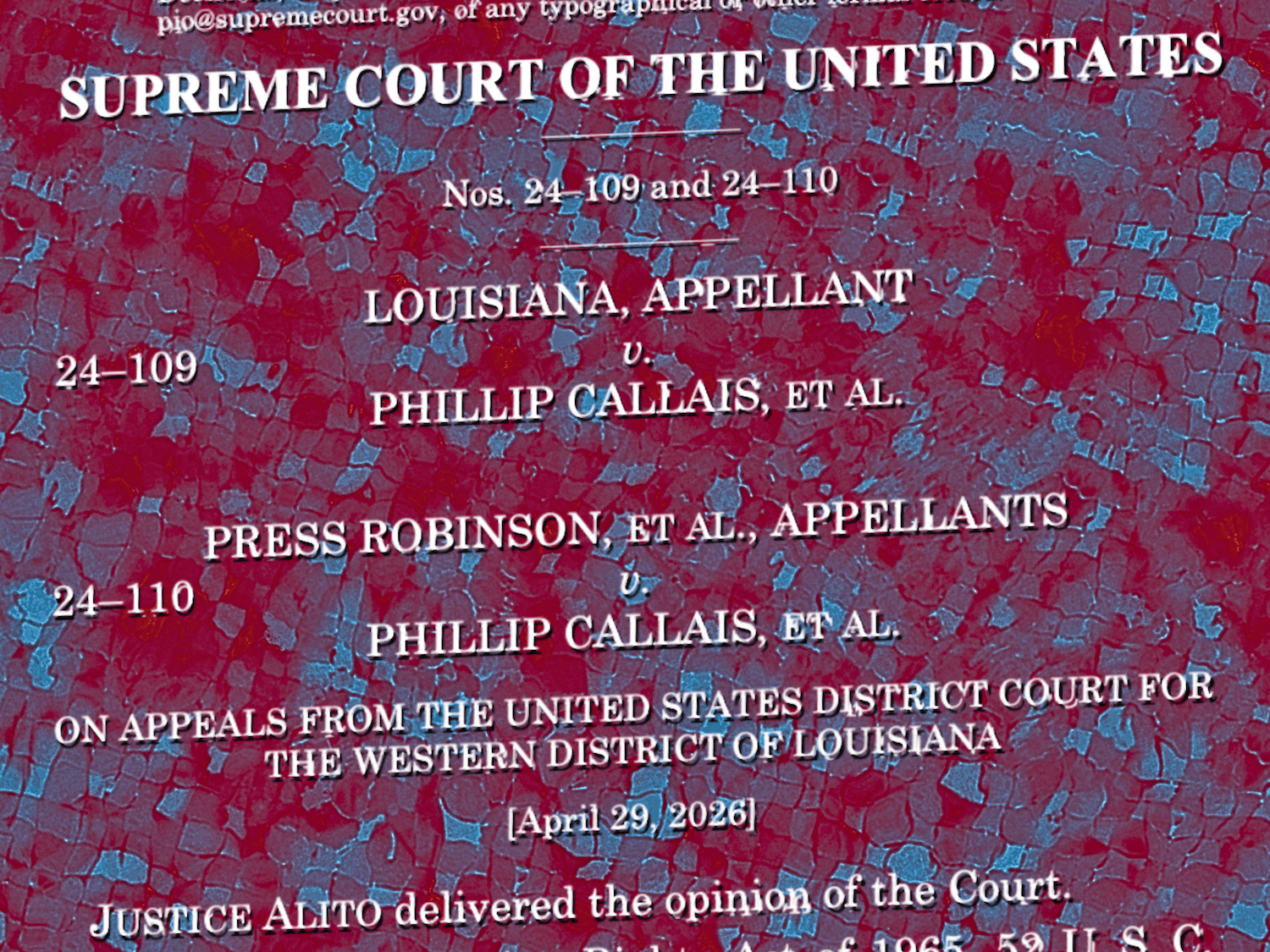
It has been just one month since the 6-3 conservative majority on the Supreme Court effectively nullified Section 2 of the Voting Rights Act (VRA), making it lawful for states to draw congressional districts that systematically dilute the votes of Black and Latino Americans. Within hours, Southern states responded. Florida legislators passed a GOP gerrymander the day the decision was announced. Alabama moved to eliminate majority-minority districts even after primary-election votes had been cast, though an appellate court has temporarily blocked the state from proceeding. (UPDATE: The Supreme Court waved the gerrymandered map through last night.) In Tennessee, the district representing Memphis—majority-Black—was cracked into three, all now majority-white, all expected to turn red. By 2028, South Carolina will likely gerrymander out of existence the district that has elected the state’s only Black congressman, civil rights icon James Clyburn.
One certain consequence of Louisiana v. Callais is widely recognized: Millions of voters of color will no longer be able to elect a representative of their choice, while Republicans will lock down an even larger share of congressional seats. But what’s at stake is far bigger: whether voters of color can elect legislators whose votes actually reflect their policy preferences. We know this because we examined nearly 20 years of congressional votes and the survey responses of more than half a million Black, Latino, Asian American, and white voters who were asked if they supported high-profile congressional bills, ranging from the authorization of the war in Iraq to the Affordable Care Act to the early COVID response.
What we found shows how much our democracy’s responsiveness has depended on the VRA—and how much will be lost without it.
As Memphis Goes, So Goes the South
Memphis bears witness to both the achievement and the reversal. For 19 years, one man has represented the majority-Black district encompassing Memphis. A progressive stalwart ranked the fifth most effective Democratic lawmaker in the House by the Center for Effective Lawmaking, he secured passage of the first formal congressional apology for slavery and brought home $69 million in community projects, including $3.15 million to restore the Historic Clayborn Temple—the organizing headquarters of the 1968 sanitation workers’ strike that brought Martin Luther King Jr. to Memphis for the last time.
https://prospect.org/2026/06/03/return-of-dixiecrat-south-voting-rights-act-racial-gerrymandering/
