Iceberg lettuce sold at Taco Bell linked to cyclospora outbreak
Source: CNN Health
PUBLISHED Jul 16, 2026, 5:52 PM ET
Shredded iceberg lettuce supplied by Taylor Farms and sold at some Taco Bell restaurants has been linked to a multistate outbreak of cyclosporiasis, a source familiar with the investigation said Thursday.
Cases of the intestinal illness caused by a microscopic parasite are surging across the US, with nearly 7,000 cases confirmed or under investigation since May 1, according to data published Tuesday by the CDC. Confirmed cases alone are more than six times higher than they were at this time last year, and there have been at least 141 hospitalizations.
The outbreak linked to the lettuce, however, is considered to be a regional one, centered in the Midwest. The CDC has identified at least 400 cases associated with the outbreak across four states: Michigan, Ohio, West Virginia and Kentucky. These cases are among people who reported symptoms on or after June 22, the agency said in an update Tuesday.
The Michigan state health department has reported more than 4,300 cases of cyclospora during the outbreak investigation. Michigan said it has interviewed more than 1,000 people as part of its investigation and had previously noted that lettuce or salad greens may be a potential source for the outbreak.
Read more: https://www.cnn.com/2026/07/16/health/cyclospora-outbreak-shredded-lettuce
 = new reply since forum marked as read
Highlight:
NoneDon't highlight anything
5 newestHighlight 5 most recent replies
= new reply since forum marked as read
Highlight:
NoneDon't highlight anything
5 newestHighlight 5 most recent replies

genxlib
(6,203 posts)Of all the processed junk that goes into a Taco Bell it is the lettuce that gets you.
I almost feel bad for Taco Bell.
The jokes just write themselves

BumRushDaShow
(174,561 posts)But a parasite is unusual!

wcmagumba
(7,176 posts)Of course, they use lettuce too, what's a guy to do? 
BumRushDaShow
(174,561 posts)and I think I've only been to one twice in my life. lol
I prefer food truck ones (finally have a food truck that setup shop near me  ).
).

kimbutgar
(27,792 posts)But, I’m a bit suspicious of this origin story.

iemanja
(57,871 posts)All greens and certain fruits (eg. Raspberries) are potential risks as well. I’m not eating any raw veggies till they sort this out.

Igel
(37,755 posts)gonna be raw veggies of some sort.
Dairy? Unless raw or pasteurization was incomplete, or some problem with cheese, nah.
Meat? How, exactly?
Different organism, same means of delivery.
BumRushDaShow
(174,561 posts)But in general, leafy produce is often recalled for salmonella or listeria contamination (often due to those bacteria in the irrigation water, which can be taken up by the plant roots).

IbogaProject
(6,226 posts)iemanja
(57,871 posts)In other words, cook everything.
BumRushDaShow
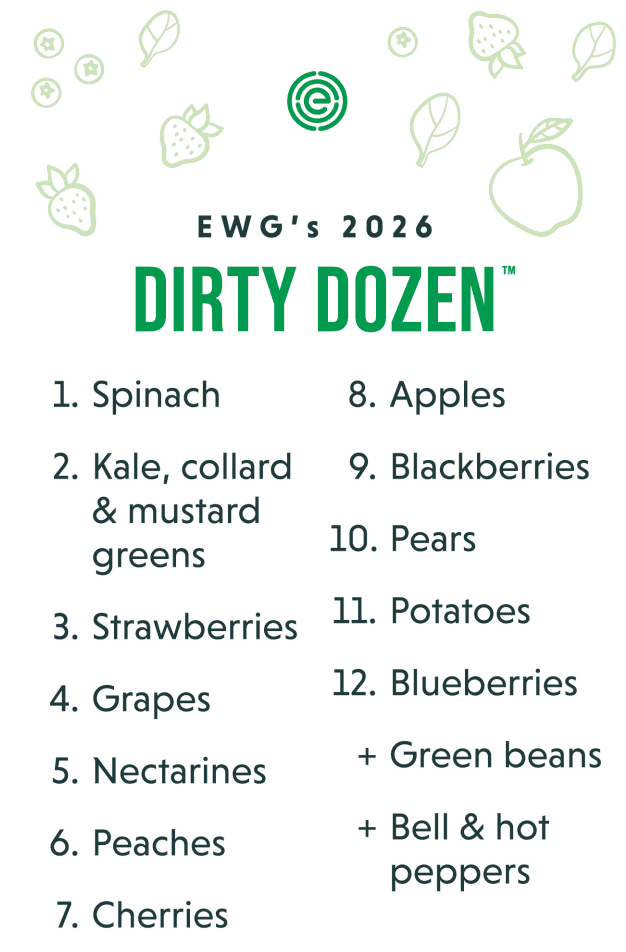
(174,561 posts)particularly being difficult to wash like many berries (strawberries, raspberries, blackberries, boysenberries, mulberries, etc). There are melons like cantaloupe, that have been recalled in the past.
Then there is the annual "The Dirty Dozen" - https://www.ewg.org/foodnews/dirty-dozen.php

LeftInTX
(35,336 posts)
FakeNoose
(43,508 posts)... but now it has spread into a much wider area of 4 or 5 states. Yikes!


mwmisses4289
(5,413 posts)We haven't eaten there in years, something in their seasonings always made us sick

democratsruletheday
(2,018 posts)literally

Ray Bruns
(7,112 posts)
erronis
(25,322 posts) Brilliant!
C_U_L8R
(49,708 posts)Who knew? What do they need a parasite for?

Wonder Why
(7,600 posts)LeftInTX
(35,336 posts)They also own Pizza Hut. (Do they even have salads anymore?)
BumRushDaShow
(174,561 posts)But the weather here has been so crazy that I'm afraid of bolting lettuce in the fall at this point!
LeftInTX
(35,336 posts)iemanja
(57,871 posts)All bagged lettuce, potentially all lettuces, cilantro, raspberries, and others. Only safe approach is to cook everything.

wolfie001
(8,339 posts)Nothing to worry about. Our farmers (that love tRUMP) would never be so stupid as to place lettuce farms next to cattle farms. Right? Wrong 🤢🤮 We should call them poop farms. Blowfly sits on a turd all day then flies over to our romaine lettuce. ☹️


BumRushDaShow
(174,561 posts)
wnylib
(27,117 posts)The Amish still do it.
BumRushDaShow
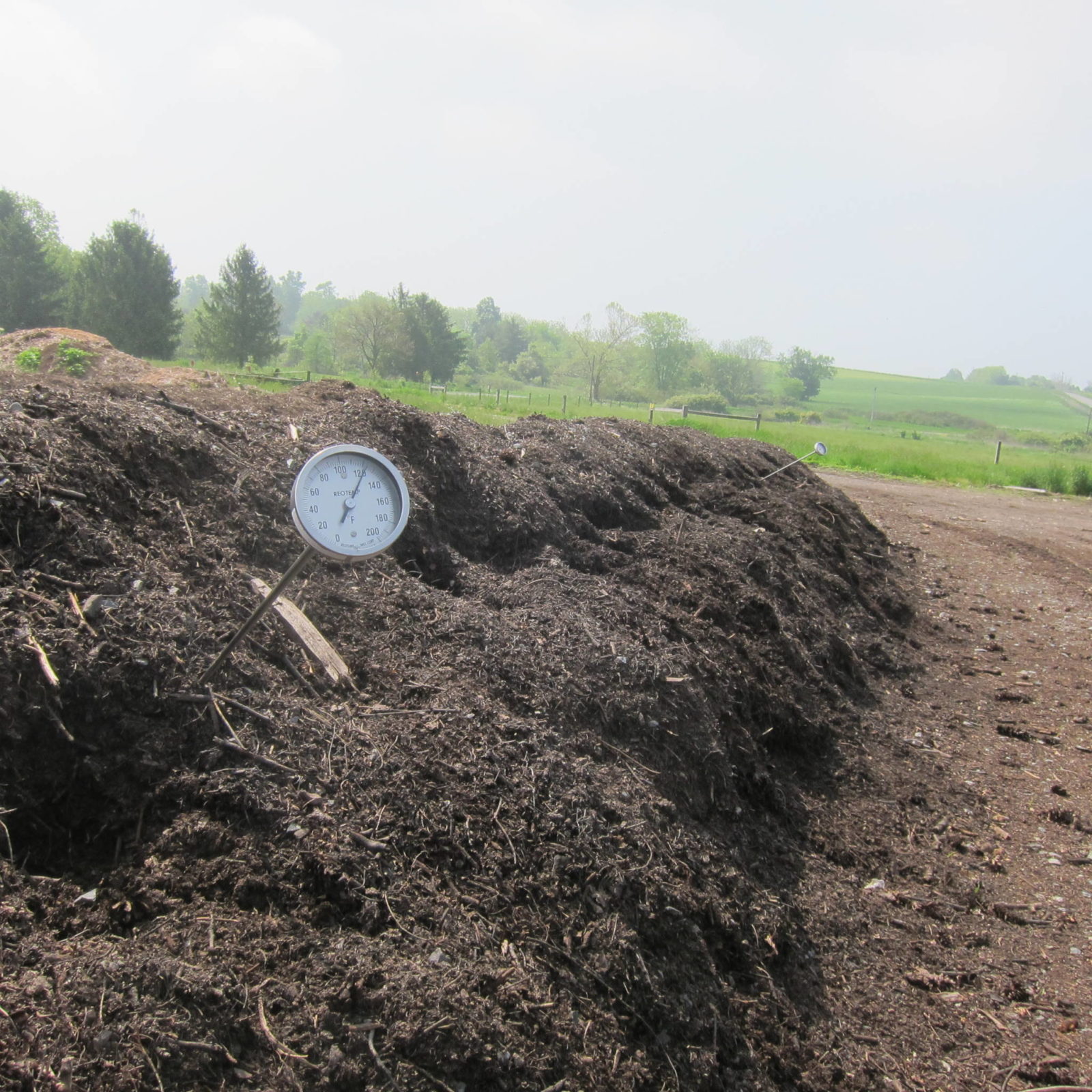
(174,561 posts)usually goes on for at least a year and gets hot enough, temperature-wise, to kill most pathogens.
Spreading "fresh" manure (cow, horse, chicken) is a no-no and I am sure the Amish are using composted manure from designated piles that also might include "greens" (cut plant material) and "browns" (old leaves).
Bagged manure is sterilized.
Grazing cattle near the edible plantings means a risk of contamination from fresh manure.
wnylib
(27,117 posts)BumRushDaShow
(174,561 posts)The compost piles have to be turned to keep the materials in them "cooking". They sell thermometers to farmers (and regular consumers) to monitor the pile temperature so you know when it's time to turn the pile!.

wnylib
(27,117 posts)Before modern times, I wonder how they dealt with it and whether salmonella and e coli were responsible for illnesses and deaths in times past.
I know that methane gas can be a problem with manure storage.
My grandparents had a farm in an area where there were several other family farms. I remember the drive to visit them in the spring. The manure odor coming from the fields was strong. I wondered how people who lived there could stand it every day.
BumRushDaShow
(174,561 posts)They would have noticed that piles of manure on fields and barns would start to heat up as it broke down.
It's literally been traced back for thousands of years - originally for soil improvement and later as a beneficial pathogen killer!
From NatGeo -
George Washington was America's first composter, but the history of amending the soil to grow better crops goes back to prehistory.
By Aaron Sidder
Published September 9, 2016
Compost is a hot commodity these days. A nutrient-rich organic soil amendment, the so-called black gold—named for its dark color—is growing in popularity as Millenials discover the joy of gardening and increasingly embrace sustainable practices. The benefits of compost are many: It recycles organic materials and reduces waste, replenishes depleted soils, and improves soil health . Though it takes different forms, composting can be done in nearly any environment.
In an age of profligate food production and consumption, composting offers a solution for recouping some benefit from massive food waste. For many nouveau gardeners, composting may be a fairly new concept. However, a dive into the history books shows the practice has been around as long as agriculture itself.
Ancient Methods
The application of reclaimed organic material to farmed fields dates to at least the Stone Age. Archaeological evidence from the British Isles suggests that Scots improved their small-scale farms with compost as far back as 12,000 years ago. These early farmers likely plowed and seeded compost heaps in situ; instead of moving compost into fields, they turned the heaps into plots and planted directly in them. From the Stone Age, it took another 10,000 years before someone eventually wrote about compost.
As the first empire to implement a functional bureaucracy, the Akkadians in Mesopotamia kept records by scrawling cuneiform onto clay tablets. Some of these tablets, from King Sargon’s reign around 2300 B.C., are believed to include the earliest written reference to compost. The practice was not limited to Mesopotamia though. Mediterranean farmers in Greece and Italy commonly cycled agricultural “waste” from one farm operation to another, and Chinese farmers regularly fertilized their rice paddies with anaerobic (lacking oxygen) composting techniques. Westerners also recently discovered ancient composting methods in African and Amazonian rainforests (see How Africans Are Saving Their Own Soil). In North America, Native Americans wrapped seeds in fish parts to supplement nutrient availability.
(snip)
wnylib
(27,117 posts)burned organic materials in a field where they intended to plant.
But they also recognized that some plants grown together benefited each other. They could not have named the specific nutrients involved, but could observe and take advantage of the results. So they grew corn beans, and squash together.

u4ic
(17,199 posts)Not saying that having lettuce farms next to cow and/or pig farms is a good idea, as it's been linked to previous outbreaks of Salmonella and E. Coli - but in this case, it is not applicable.
wolfie001
(8,339 posts)I hope they resolve these issues. Taylor Farms seems to be the problem. One of the stores I shop at carries a lot of their products. I'll check this Saturday when I do my shopping.
u4ic
(17,199 posts)They have an insane number of recalls in such a short period of time.
wolfie001
(8,339 posts) I was a bit late to the party. u4ic
(17,199 posts) 
hamsterjill
(18,126 posts)Seems the posts were correct. Hmmm...
Not quite sure what to think of that, but happy they are narrowing things down and wish all affected by this a safe and complete recovery.
Cirsium
(4,363 posts)Last edited Fri Jul 17, 2026, 12:31 AM - Edit history (2)
"Taylor Farms" not a farm. It is a produce packaging operation with 20,000 employees and production facilities in Mexico, Canada and Europe. They have been previously associated with an E. Coli outbreak and another Cyclosporiasis outbreak. Too big to jail? There is no excuse for a lack of basic sanitation in packing facilities. This is 2026 not 1826.
Kudos to the Michigan state health department. Tracking down the source of an outbreak is absolutely essential and that takes a budget, expertise, and manpower, the very things that are being cut in the federal government.
F you Elon Musk and RFK Jr.

red dog 1
(33,885 posts)u4ic
(17,199 posts)I thought I'd remembered another issue with them, and looking back at recalls, they have had 4 recalls here in Canada since 2021. That is ridiculous!
I don't think I saw them, at least where I live, before covid hit, maybe a year or two before at most. To have that many recalls - and that's just in Canada. Who knows how many more in the US?
They should be subject to an indecent amount of monitoring with so many recalls.

Xipe Totec
(44,622 posts)LudwigPastorius
(15,368 posts)

ybbor
(1,783 posts)I went to Taco Bell about two weeks prior to my symptoms arising, June 23, and as I looked back at where I had eaten, knowing that I was the only one in my family and friends who had it. It was really the only place that I had eaten alone for lunch one day that could have had the possible ingredients, aka “fresh” produce, lettuce and tomato. When I spoke with the CDC and we went back over my diet the two weeks prior to getting sick, it was the only opportunity for me, alone, to have gotten it. And I do like Taco Bell every now and then. Kinda a bummer. Then I find out that I’m probably allergic to the antibiotic, Bactrim, because I broke out in a rash after my final dosage, which apparently is what happens if you’re allergic to it. So out of the frying pan and into the fire.
Bluetus
(3,461 posts)one normally gets from eating at Taco Bell?
Does it really matter?
LizfromRI
(9 posts)Taylor Farms supplies lettuce to many fast food and chain restaurants. A family member of mine works at a Subway sandwich shop and their lettuce comes from Taylor Farms.