Heidegger knew that we are always outside, weathering the storms

We aren’t safe inside separate minds. Being-in-the-world means we’re entangled and vulnerable – and that’s how we flourish
https://psyche.co/ideas/heidegger-knew-that-we-are-always-outside-weathering-the-storms
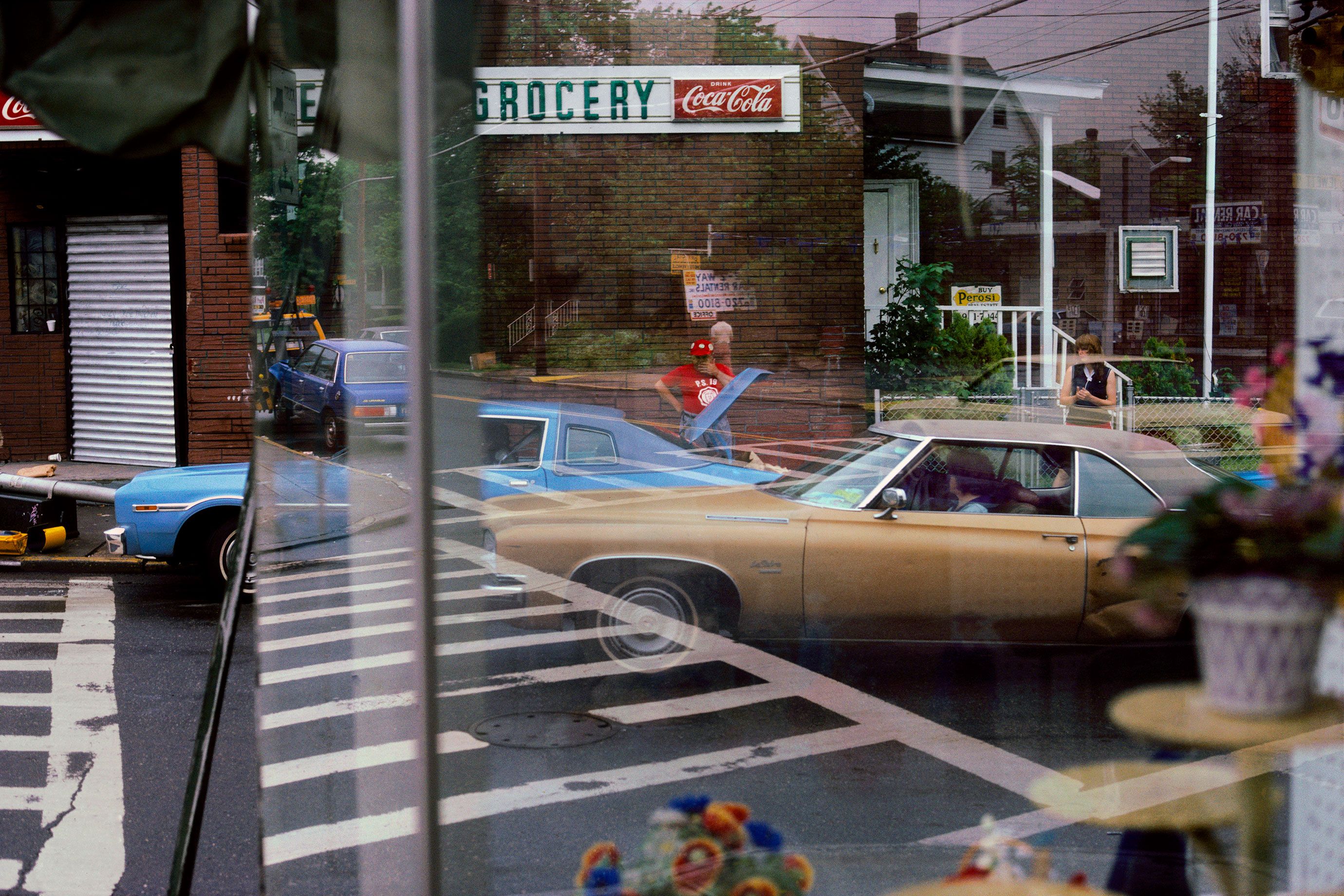
The Western philosophical tradition has taught us to think of ourselves as essentially indoors. We each inhabit a separate box of consciousness – imagine a cave, a castle tower or a room – over which we rule and in which we store up perceptions, feelings, thoughts and memories. On occasion, we venture out to acquire more of these. We creep out of our lonely interior realm and into the wider world, beholding things and bumping into other people, before retreating with our booty into the self-contained container of the self. There we reign, solitary and supreme.
The German philosopher Martin Heidegger (1889-1976) rocked philosophy by thinking of us differently. As Jean Wahl once put it, for Heidegger we are ‘always essentially outdoors’. Again, imagine this as you will: human life played out on a pleasant garden patio in the summer, with lemonade and card games, or as a grand cross-country quest, filled with adventures undertaken and hardships suffered. Either way, the human being is not solitary and self-contained but out and about in the midst of things, in the company of other people, mixed up with what there is – and so, as it were, at the mercy of the elements and weathering the vagaries of the world.
Thinking of us as essentially outdoors challenges us to grasp ourselves in a new way: as entangled and vulnerable. There are reasons that we resist seeing ourselves in this way. But there are also benefits to doing so – benefits to acknowledging that we are, as Heidegger puts it, ‘being-in-the-world’.

Being-in-the-world is our distinctive way of being. This might seem like an odd claim. Isn’t everything in the world? ‘World’ is usually what we call the place where all the stuff is located. But we are not located in the world in the way that the lemonade is in the pitcher, the pitcher is on the patio, or the backpack is on the quest. We are on the quest, on the patio, and so in the world distinctively: we inhabit it as that in and through which our lives take place and make sense. The world is not a container but the meaningful context in which we dwell. We are
in the world in the way that someone is
in love or
in business.
snip
