1.77-Million-Year-Old Homo erectus Crania in China Challenge Long-Held Timelines of Human Dispersal [View all]
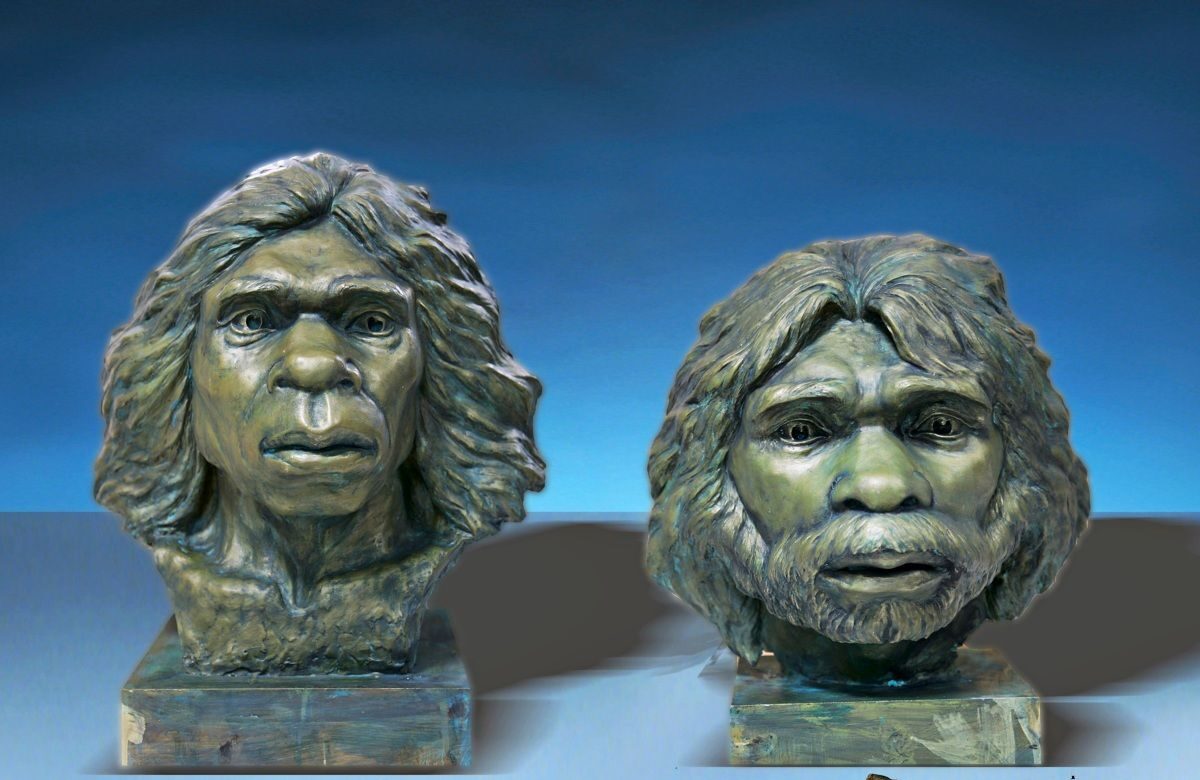
A pair of ancient skulls found along the Han River in central China have long puzzled paleoanthropologists. Were they classic Homo erectus? Or did they belong to a more mysterious lineage, possibly linked to Denisovans or even the controversial Homo longi? Now, a new study suggests the debate may be even bigger than taxonomy. The Yunxian crania could be nearly 1.77 million years old—making them the oldest securely dated Homo erectus fossils in eastern Asia.
The findings, published in Science Advances, dramatically revise the age of the Yunxian site and may reshape discussions about when early humans left Africa and how rapidly they spread across Asia.
From 800,000 Years to 1.77 Million
The Yunxian fossils were first discovered in the late 1980s and early 1990s in Hubei Province, central China. Over the decades, their estimated age shifted repeatedly. Early paleomagnetic and ESR (electron spin resonance) studies suggested an age between 600,000 and 800,000 years. Later analyses pushed the date back to around 1.0–1.1 million years.
Now, a Chinese–American research team led by Hua Tu, Zhongping Lai, Darryl Granger, and Christopher Bae has applied a more robust geochronological technique: isochron 26Al/10Be burial dating. By analyzing quartz gravels from the same sediment layer that yielded the hominin skulls, the team determined an age of 1.77 ± 0.08 million years.
More:
https://arkeonews.net/1-77-million-year-old-homo-erectus-crania-in-china-challenge-long-held-timelines-of-human-dispersal/

 = new reply since forum marked as read